|
The Wing is bodybuilt by Indcar, of Arbucies, near Gerona, and is based on the Iveco chassis. Irisbus has opted to use Indcar, as it is a specialist in smalland medium-sized vehicles.
The ball was set rolling about the possibility of an accessible version of the Wing through a conversation between Fred and Gael Queralt, owner of Indcar, who had come over to the UK for the 2004 exhibition,
B.A.S.E were also impressed with what they saw, and shortly after the CTA exhibition approached Indcar to take on the agency in the UK for the Wing. The company took Fred Rule out to Spain to work on the specification for an accessible version of the coach.
“Fred knew what he wanted, says Mike Forshaw, director of B.A.S.E. “We agreed a specification, and Indcar did the rest.”
Mike Forshaw says that the luxury minicoach is a new market they want to break in to. “The Wing is very different from what is currently available,” he adds.
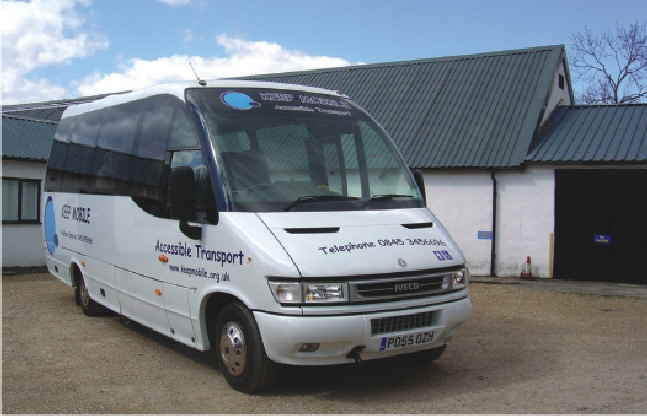
Keep Mobile took delivery of the UK’s first accessible Wing in November 2005. “As an engineer, I can really appreciate the technology behind the Wing,” says Fred. “Good design and build are most important to me. It isn’t a converted van, but a coach built vehicle to a high finish. What I like about it is the space it gives us. We’ve got room for the wheelchairs, and room for plenty of luggage as well.”
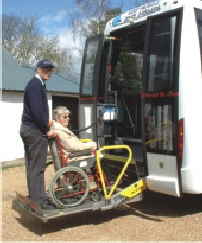
The vehicle is good to look at, its styling and finish giving it the appearance of a coach rather than minibus. Although it is fitted with a passenger lift, large folding doors enable it to retain a coachlike appearance when viewed from the rear.
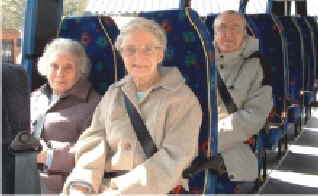
The vehicle is high off the ground, and wide, at 2.4 metres. It has large tinted windows, and overhead luggage racks, as well as room for luggage underneath.
It has been fitted with Unwin tracking, and can take up to seven wheelchairs. Keep Mobile usually opts for a combination of four wheelchairs, and 12 seated passengers.
“I was adamant I wanted a vehicle with air conditioning,” adds Fred. “This is a really big issue for the voluntary sector. Major funders such as the National Lottery regard air conditioning as a luxury. Our customers need it just like anyone else, so I insisted, even if it meant that our grant application was turned down.”
Seven years ago, the National Lottery had agreed to part-fund an earlier vehicle, a Mercedes Vario, at a total cost of £46,000, but Fred says funders are not prepared to support what they regard as luxury vehicles.
Undeterred, and unwilling to give in on a matter of principle – that disabled people deserve the best – Keep Mobile resolved to fundraise the £80,000 needed for the accessible Wing conversion themselves. This they did through a variety of means, varying from coffee mornings and raffles, to profit made on the excursions.
Fred adds. “Someone sitting in an office somewhere might say, you can get a far cheaper 16-seater accessible vehicle. But you’ve got to see it to appreciate the difference. What matters to most CT operators like myself is what we can offer our users.”
On Keep Mobile excursions, 80% are aged over 70, and 55% are wheelchair passengers. They might only go out once or twice a week, and it’s important that they travel in comfort and have a trip they enjoy, he says.
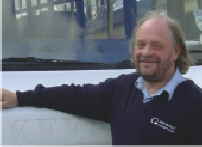
Driver Mike Sherren enjoys driving the Wing. “Everyone comments on the ride and the good suspension. It’s a joy to drive and the passengers love it,” he says. It even has its own name, Victory, after a ‘name the vehicle’ competition.
So far, there have been no major problems with the new vehicle, although the back doors did need adjustment. It’s safe to drive, too, adds Fred. “All our drivers are fully experienced in fire and evacuation procedures. We can get four wheelchairs and everyone else out in two minutes.”
|